

Respiratory illness season is here, and protecting our health starts with the choices we make every day. From staying up to date on recommended vaccinations to practicing proper hand hygiene, small actions can make a meaningful difference in keeping our communities healthy and safe.
Protecting Our Community
Keep up to date on recommended vaccinations
Vaccinations can help protect against severe illness and complications. Speak with your family doctor, nurse practitioner, or pharmacist about which influenza, COVID-19 and RSV vaccines are recommended for you.
Stay home when you are sick
Give yourself time to rest and recover while reducing the chance of passing a respiratory illness to others. While around others, please avoid close contact and take extra precautions, especially when near people who may be at increased risk of severe illness.
Wash your hands regularly
Wash your hands with soap and water, especially before eating and after coughing, sneezing or using the washroom. Hand sanitizer is a useful alternative when soap and water are unavailable.
Cover coughs and sneezes
Use a tissue or your elbow, dispose of tissues promptly, and clean your hands afterwards.
Wear a well-fitting mask
When in crowded spaces or when you’re around people at higher risk, opt for a mask to keep everyone protected.
Clean frequently touched surfaces
Pay extra attention to shared surfaces, such as phones, light switches, doorknobs and counters.
Choose well-ventilated spaces
Improve airflow by opening windows when sage and using air filtration where possible.
Simple ways to stay safe this respiratory illness season
Influenza (flu), COVID-19, and RSV (respiratory syncytial virus) share common symptoms, including:
Fever or chills
Cough
Shortness of breath or trouble breathing
Runny nose or congestion
Headache
Feeling tired
Sore throat
Muscle aches or pain
Vaccination is available through participating pharmacies, primary care providers, community-based programs, and more as October 2026. Explore your options below based on eligibility to determine what is recommended for you.
Where to get vaccinated
-
The flu vaccine is available to everyone aged six months and older.
You can get the flu vaccine at:
Participating pharmacies (if you are two years of age or older)
Primary care offices (if you are six months of age or older)
Toronto Public Health (for children four year of age and under and older adults 65 years of age and older) - by appointment only
The flu vaccine is available to the general public starting Monday, October 26.
-
The COVID-19 vaccine is available to everyone aged six months and older.
You can get the COVID-19 vaccine at:
Participating pharmacies (may vary for children six months of age to four years of age)
Participating primary care offices (e.g., your family doctor or nurse practitioner)
Community Health Centres
Toronto Public Health (for children six months to four year of age and older adults 65 years of age and older) - by appointment only
The COVID-19 vaccine is available to the general public starting Monday, October 26.
-
The RSV vaccine is available for infants and high-risk children, pregnant individuals, certain high-risk adults 60 years of age or older, and adults 75 of age and older.
You can get the RSV vaccine at:
Participating primary care offices (for high-risk children under two years of age and adults 75 years of age and older. Pregnant individuals between 28 to 36 weeks of pregnancy should consult with their provider)
Hospitals and birthing centres (for children up to eight months of age and high-risk children under two years of age)
Long-term care homes, retirement homes, and elder care lodges (for certain high-risk adults between 60 and 74 years of age)
Toronto Public Health (for children 4 years of age and under and older adults 75 years of age and older) - by appointment only
Participating pharmacies (must pay)
Before you head for your appointment, remember to:
Book an appointment in advance
Screen yourself and your loved ones for symptoms
Stay home if you feel sick, even if your symptoms are mild
If your symptoms feel worse than a common cold, please contact your family doctor, nurse practitioner, or call Health811.
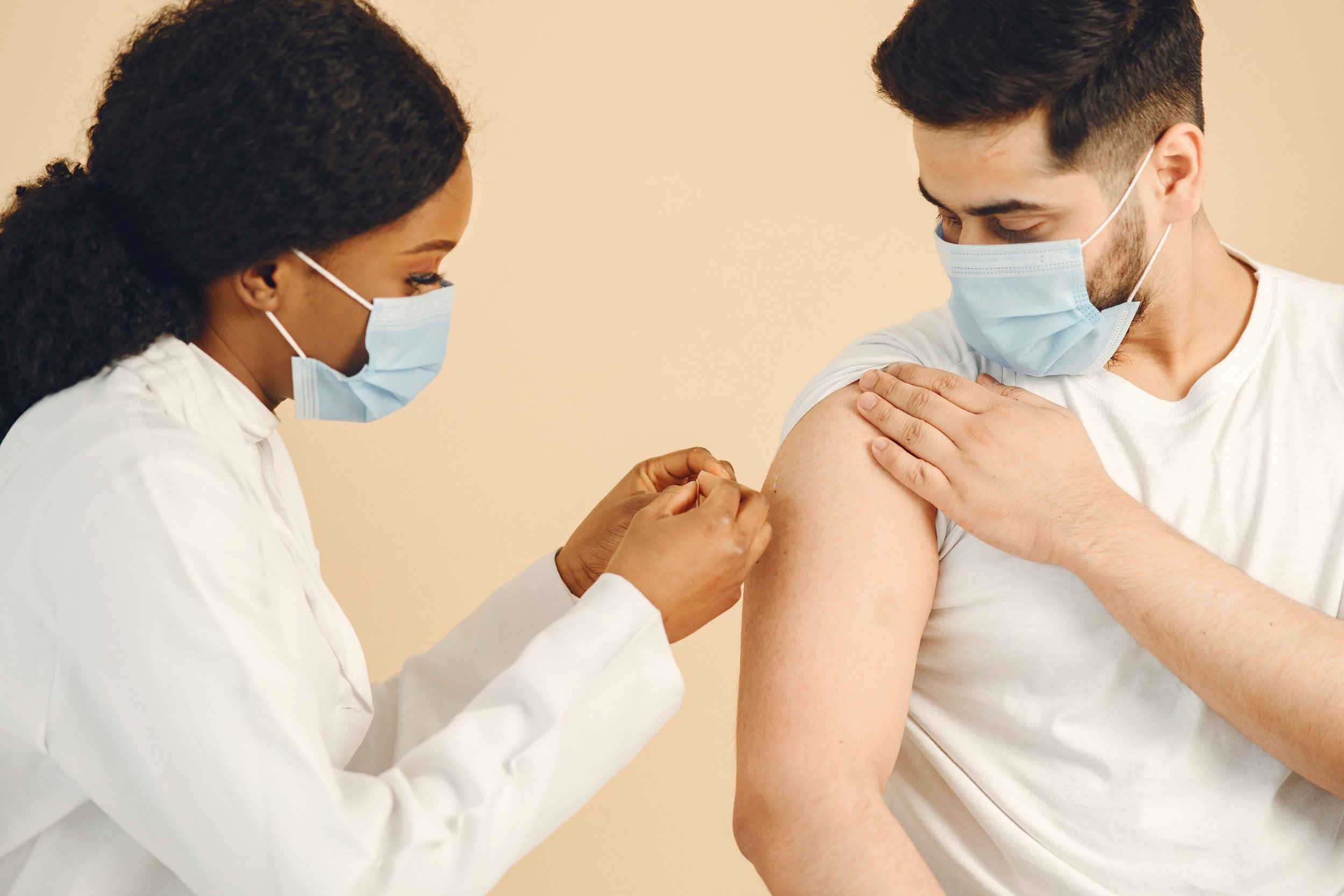
What you need to know as a health care provider
As health care providers, you play a vital role in protecting patients against the flu, COVID-19, and RSV. Vaccination helps reduce severe illness, complications, and hospitalizations, particularly among those at greater risk:
Flu vaccination has been associated with a reduced risk of cardiovascular events, including heart attack, stroke and heart failure.
Adults 65 years of age and older continue to experience the greatest impact of COVID-19, and vaccination remains important to reduce cases of long COVID, deconditioning, worsening frailty and death.
RSV can lead to serious complications including hospitalization, ICU admission and death, especially among older adults, and vaccination has been shown to reduce burden of severe illness.
Learn more about what you should know this respiratory illness season and stay informed on current guidance:
-
Influenza
Trivalent Inactivated Vaccines (TIV) for children and adults 6 months of age and older include Flucelvax®, Fluzone®, Fluviral
TIV Vaccines for Seniors ≥65 years of age include Fluzone® HD-TIV, Fluad® TIV-adj
COVID-19
Moderna Spikevax for children and adults 6 months of age and older
Pfizer COMIRNATY for children and adults 12 years of age and older
NEW: Sanofi Nuvaxovid for children and adults 12 years of age and older (limited quantities)
RSV
Beyfortus® (Nirsevimab) for infants and high-risk children
AbrysvoTM (RSVpreF) for pregnant individuals
-
Flu
The flu vaccine is recommended for everyone 6 months of age and older.
COVID-19
The COVID-19 vaccine is recommended for everyone 6 months of age and older.
Priority groups and high-risk individuals should receive the COVID-19 and flu vaccine as soon as available.
The following individuals should receive their COVID-19 vaccine this fall AND an additional dose in spring 2027:
adults 80 years of age and older
residents in long-term care homes 18 years of age and older
residents in congregate living settings 65 years of age and older
adults 65 to 79 years of age with any of the following underlying medical conditions.
people 6 months of age and older who are moderately to severely immunocompromised.
people 55 years of age and older who identify as First Nations, Inuit, or Métis and their non-Indigenous household members who are 55 years of age and older
Individuals 65 to 79 years of age may receive an additional dose in spring 2027
The following individuals are at higher risk of COVID-19 exposure and or severe COVID-19 disease and should receive the vaccine as soon as it becomes available:
Residents in long-term care homes aged 17 years and younger
Residents in congregate living settings aged 64 years and younger
Pregnant individuals (the vaccine may be offered at any stage of the pregnancy (i.e., in any trimester))
Individuals aged 54 years and younger who identify as First Nations, Inuit, or Metis and their non-Indigenous household members aged 6 months to 54 years
Individuals aged 64 years and younger with underlying medical conditions (see list in priority group 1 above) that place them at higher risk of severe COVID-19
Children aged 17 and younger with complex health needs, specifically children who are medically fragile/have medical complexities, children with more than one comorbidity, children with neurological disorders, children with chronic lung disease, and children with Down syndrome (Trisomy 21), and other immunocompromising conditions
Health care workers (HCWs), care providers, emergency response workers (i.e., first responders including fire, police, and ambulance), those who work in continuing care or long-term care facilities or residences, those who provide home care for people at high risk, and students/trainees of related healthcare services. HCWs include any person, paid or unpaid, who provides services, works, volunteers, or trains in a hospital, clinic, or other healthcare facility
Members of underserved communities
The following individuals may receive the vaccine as soon as it becomes available:
Children 6 months to 4 years of age
People whose work or activities put them at higher risk of exposure to avian influenza (bird flu) A(H5N1) viruses
RSV
The following individuals are eligible for Arexvy and Abrysvo™
All individuals aged 75 and older
Individuals aged 60 to 74 who fall under one of the following high-risk categories:
Residents of long-term care homes, Indigenous long-term care homes (Elder Care Lodges), or retirement homes including similar settings (e.g., co-located facilities)
Individuals on home oxygen or requiring chronic oxygen therapy, regardless of residence
Patients in hospital receiving alternate level of care (ALC) including similar settings (e.g., complex continuing care, hospital transitional programs)
Patients with glomerulonephritis (GN) who are moderately to severely immunocompromised
Patients receiving hemodialysis or peritoneal dialysis
Recipients of solid organ transplants
Recipients of a hematopoietic stem cell transplant within the past two years or with ongoing immunosuppression
Individuals experiencing homelessness
Individuals who identify as First Nations, Inuit, or Métis
The following individuals are eligible for Nirsevimab (Beyfortus®)
Infants born on April 1, 2026 or after and less than eight months of age up March 31, 2027
Children up to 24 months of age who are at risk of severe RSV disease through their second RSV season, following discussion with a health care provider
The following individuals are eligible for Abrysvo™
Pregnant individuals between28 and 36 weeks of pregnancy who will deliver near the start of or during RSV season (November to March 31).
-
Flu and COVID-19 vaccines can be given at the same time
Arexvy (RSV) can be given with flu and COVID-19 vaccines
Abrysvo (RSV) can be given in pregnancy with Tdap, flu and COVID-19 vaccines
Nirsevimab (Beyfortus®) (RSV) can be administered on the same day or any time before or after routine childhood immunizations and the flu and COVID-19 vaccines.
-
Flu: Toronto healthcare providers, excluding pharmacists, can submit their re-orders directly to OGPMSS by faxing the Influenza Vaccine Order Form (available in French) to 416-327-0818. For any questions, please call 416-327-0837 or email at ogpmss@supplyontario.ca.
COVID-19: Toronto providers enrolled in the COVID-19 Vaccine Immunization Program can place their orders directly through the online portal, Toronto Public Health Store (covidvaccineorder.ca).
RSV: Toronto providers can submit RSV vaccine orders for eligible clients using the updated Toronto Provider RSV Vaccine Order form and sending completed forms to vaccineorder@toronto.ca. Please do not submit batch orders.
Here are some other important reminders:
Do not schedule appointments until you have received your vaccine shipments.
Keep refrigerators in good order, with vaccines expiring sooner in the front to be used first.
For flu, order from OGP by your practice’s weekly ordering deadline to receive your order on your scheduled delivery date.
For all other programs, weekly orders are preferable to bulk orders per storage and handling best practices.
Download this resource from Toronto Public Health for quick reference.
-
Flu: Physicians, nurse practitioners or participating pharmacists may prescribe antiviral medication for patients who have symptoms of respiratory illness and are at higher risk of complications of influenza. Flu testing is generally not require to initiate antiviral treatment for influenza.
COVID-19: physicians, nurse practitioners or participating pharmacists can provide testing and may prescribe antiviral treatments if a patient:
has symptoms and test positive for COVID-19 (positive PCR or rapid antigen test)
is at increased risk for severe outcomes from COVID-19, such as being immunocompromised
Additional Resources
Want more information like this?
Subscribe to our Partner Bulletin to get the latest information on community health events, updates, resources, and more - all designed specifically for providers serving Toronto’s downtown west neighbourhoods.
This webpage is intended for general information. Vaccine eligibility, availability, and ordering requirement may change. Please consult Toronto Public Health and Ministry of Health resources for the latest information. Last updated: October 22, 2026.